
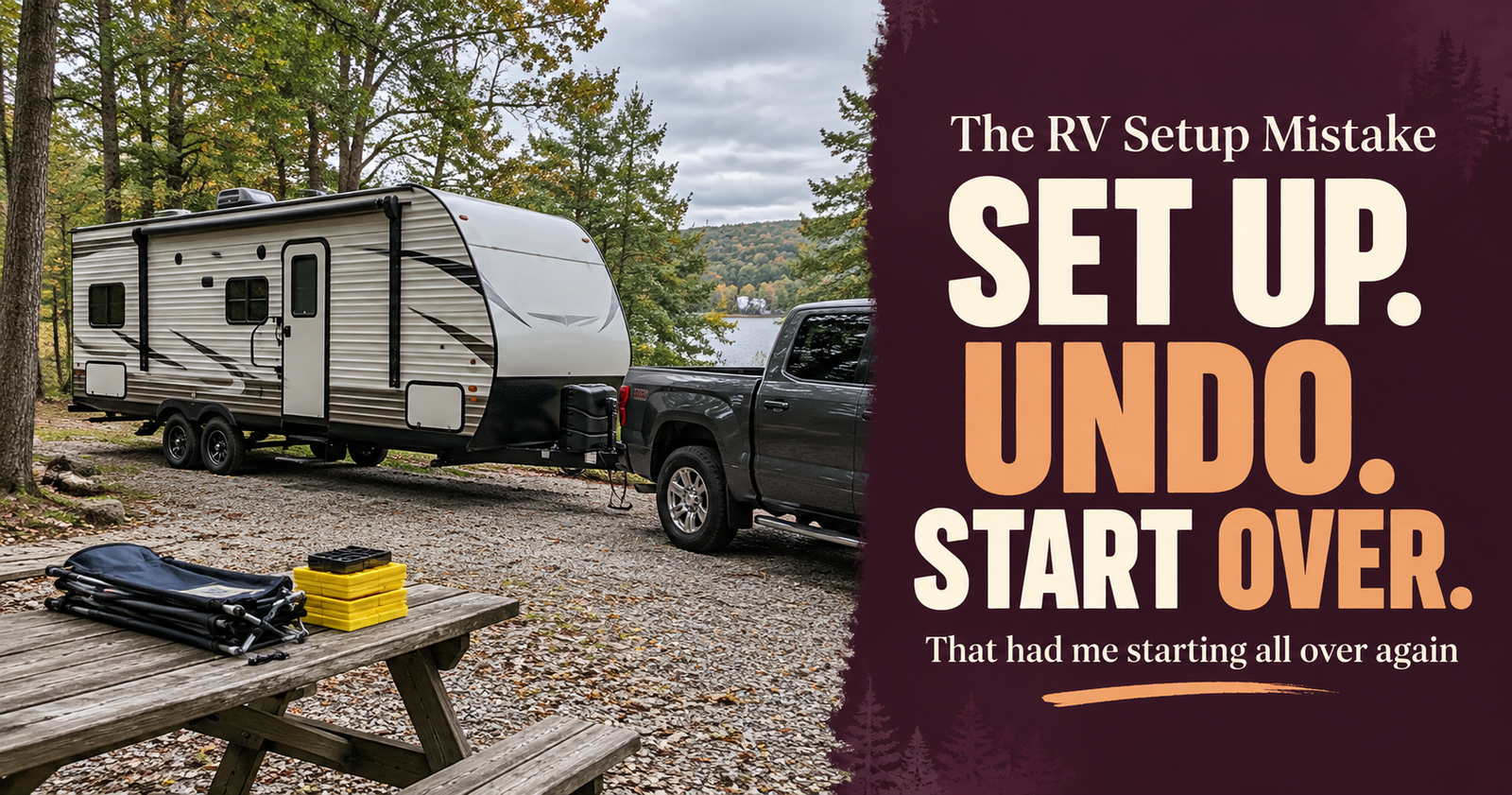
There’s a particularly annoying kind of camping mistake where nothing actually breaks.
You just realize you’ve done everything in the wrong order.
That’s almost worse.
The camper is unhitched. Stabilizers are down. Chairs are coming out. Power is connected. Somebody is already asking when we’re eating.
Then you finally look at where the slide is going to extend.
Tree.
Not touching the camper.
Not obviously in the way while we were backing in.
But definitely close enough that I wasn’t comfortable sending a big slide room toward it.
So now we’re not setting up camp anymore.
We’re unsetting up camp.
And that’s how I learned to spend two minutes looking at the campsite before spending 20 minutes setting everything up.
I Was Too Focused on Getting the Camper Into the Site
Backing a camper into a site has a way of taking all your attention.
Where’s the trailer going?
Am I straight?
How close am I to the fire ring?
Can I see the person trying to guide me?
Am I about to become campground entertainment for six people sitting around the site across from us?
Once the camper finally looks good, there’s a huge temptation to put the truck in park and declare victory.
But where the camper fits while traveling isn’t necessarily where it fits while camping.
Slides come out.
Awning comes out.
Steps come down.
You need to reach the hookups.
Suddenly the camper gets a lot bigger.
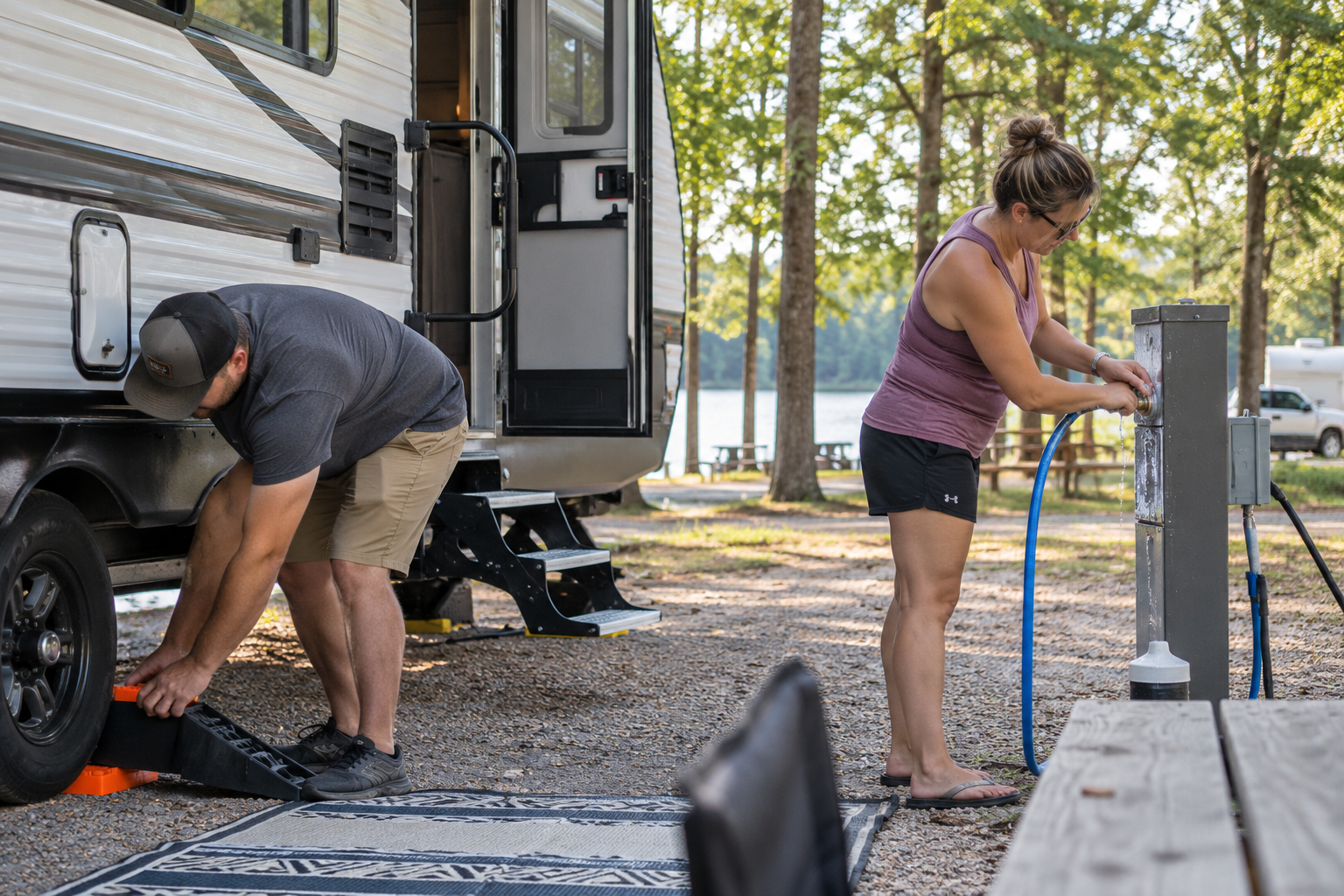
Now I Walk the Site Before We Commit
I don’t mean some giant inspection.
I just get out and look.
Where are the electrical pedestal and water spigot?
Where’s the sewer connection if we have one?
Any big rocks?
Low branches?
Tree beside the slide?
Fire ring where the steps need to be?
Soft ground?
Something overhead near the awning?
Current setup guidance from Lippert similarly recommends walking the site for hazards and checking slide and awning clearance before completing setup.
It takes almost no time.
And it’s considerably easier to move the camper before everything is disconnected.
I Look at the Hookups Before Unhitching Too
This is another one that seems obvious after you mess it up.
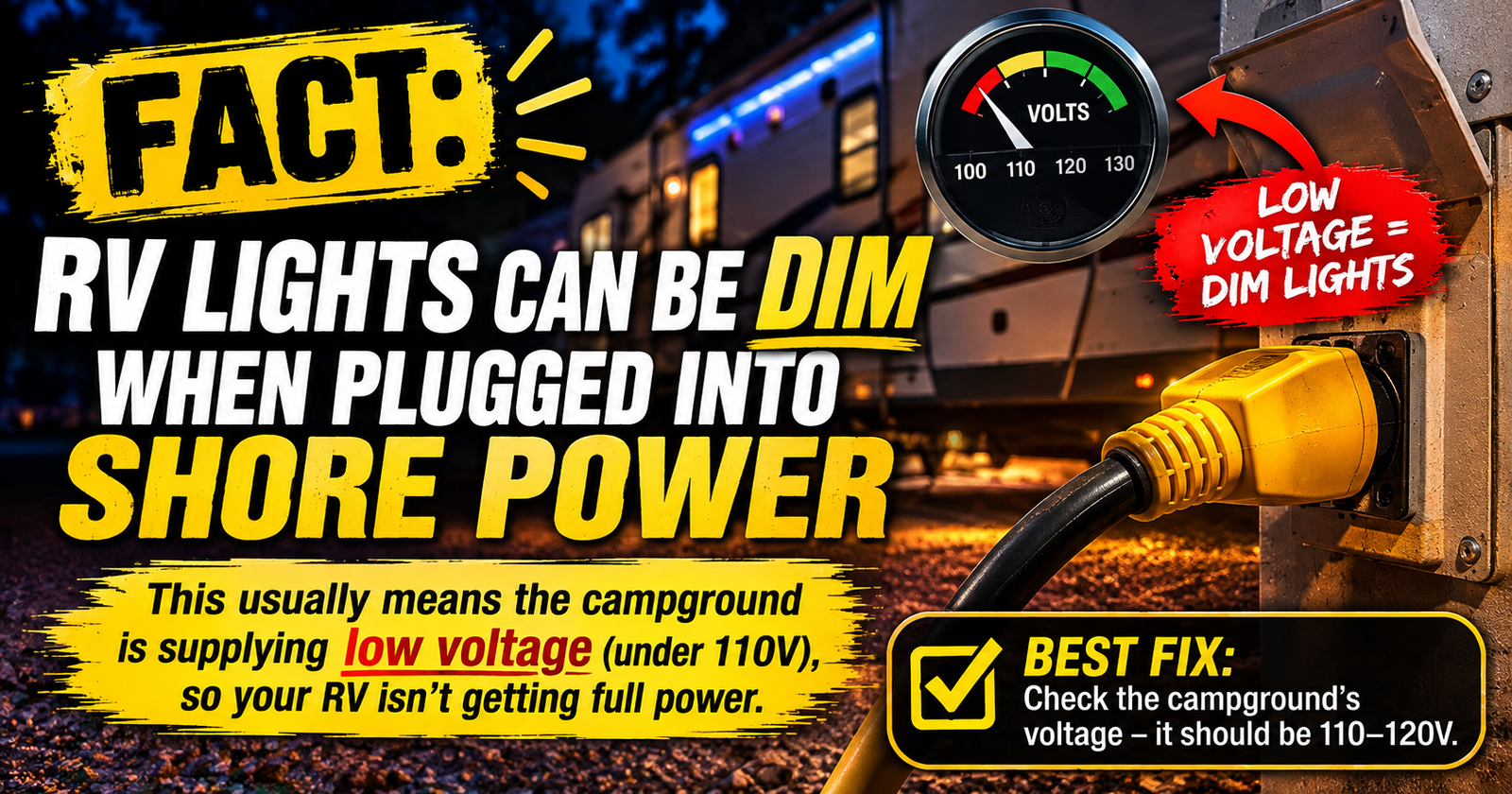
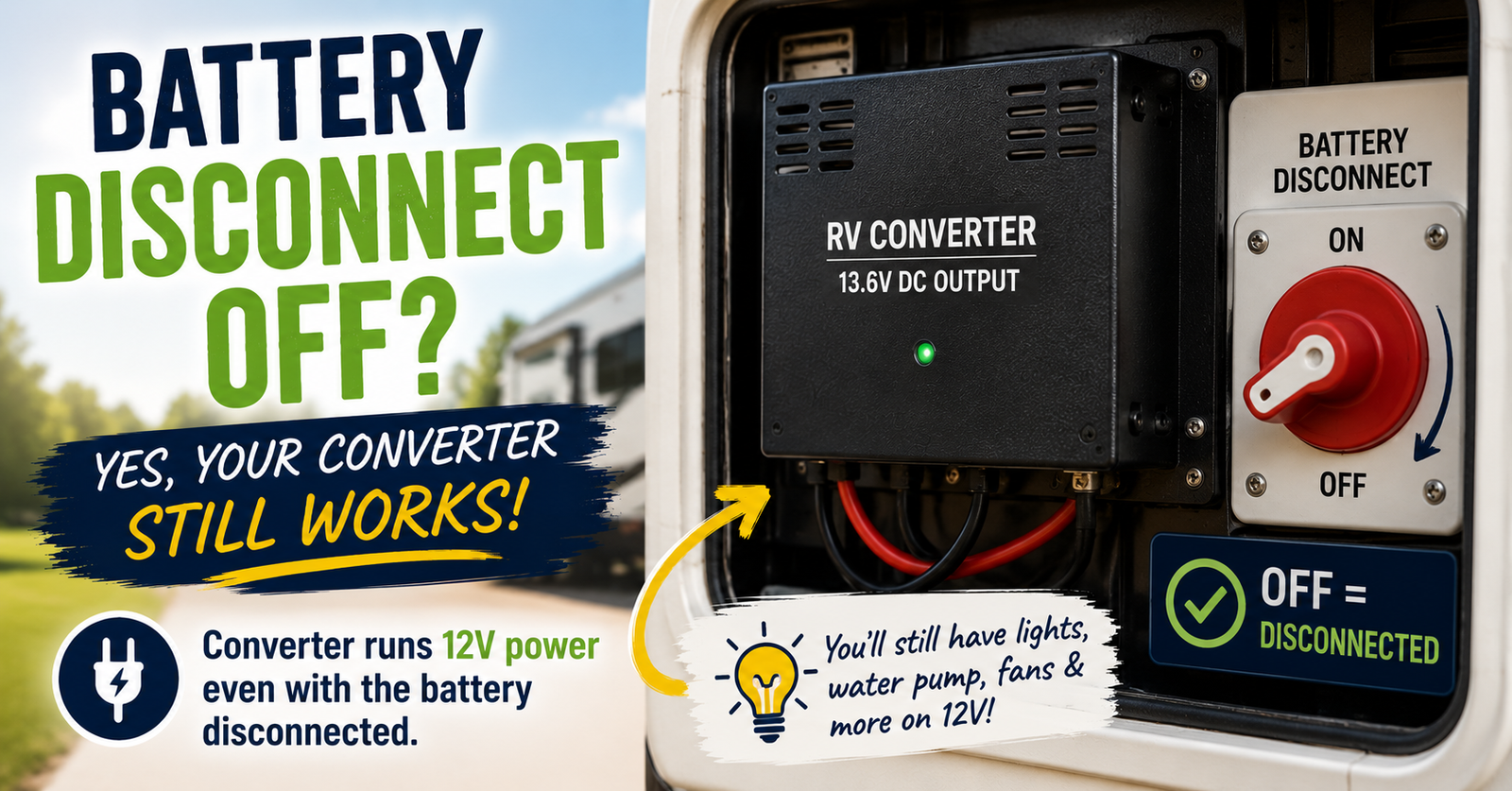
You can have the camper positioned beautifully and still be too far from the electrical pedestal.
Or the sewer connection.
Or water.
Now you’ve got choices.
Move the camper.
Find a longer appropriate connection.
Or stare at the pedestal hoping it somehow gets closer.
I prefer checking first.
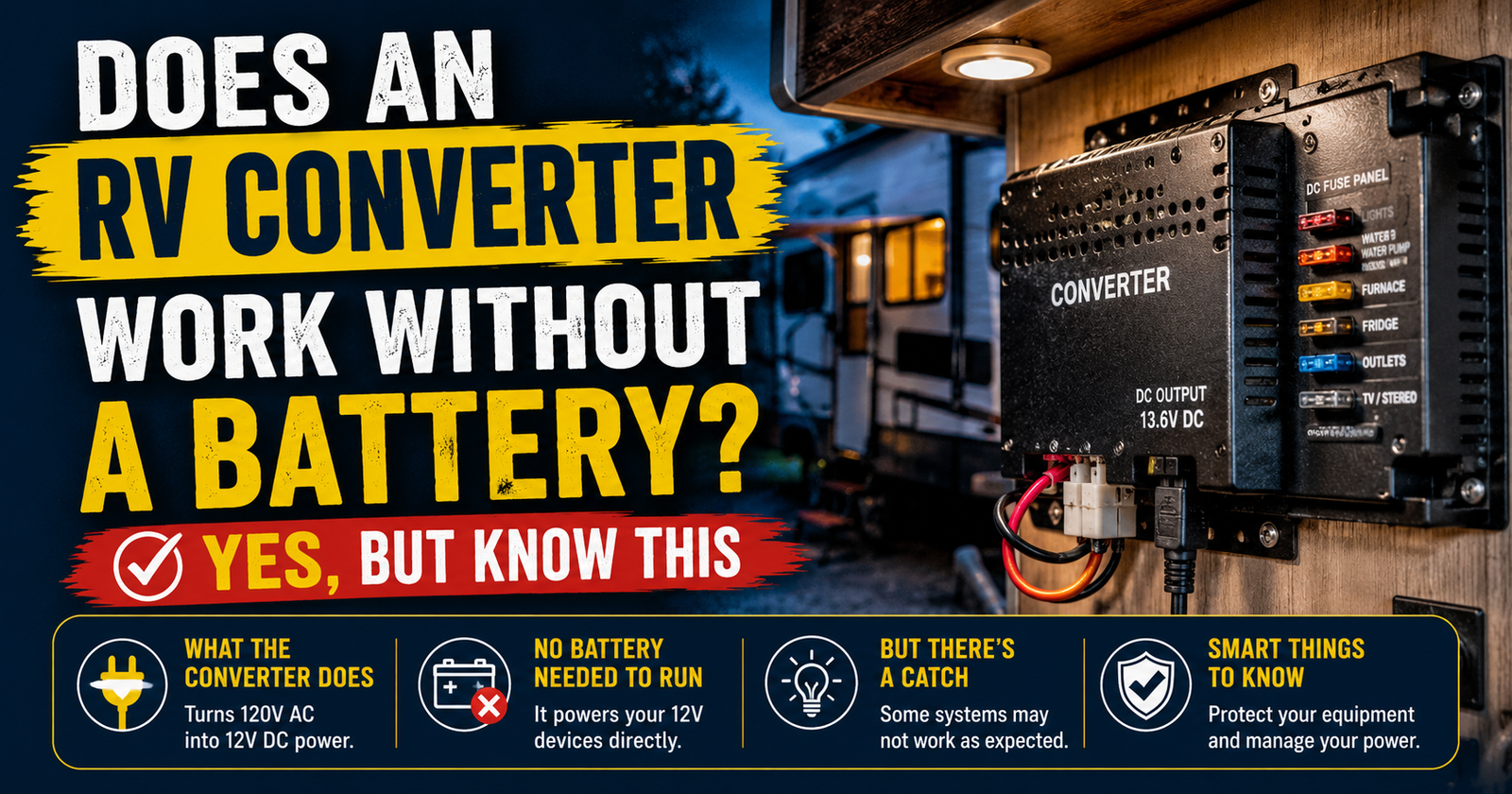
After everything we’ve learned about RV electricity, I’m especially not interested in improvising some sketchy extension-cord arrangement because I parked six feet too far away.
Then I Check the Slide
This is probably the mistake that changed my setup routine the most.
Before the slide comes out, I look outside.
Every time.
A slide can clear the side of the site while still getting surprisingly close to:
A tree.
Pedestal.
Post.
Neighboring camper.
Picnic table.
Other obstacle.
Lippert’s setup checklist specifically calls for verifying slide-out and awning clearance before extending them.
I’d rather look twice than hear that awful sound that tells me I should’ve looked once.
Level First, Stabilize Second
This was another thing I had backwards when I was first learning campers.
I thought stabilizer jacks were basically little leveling jacks.
They’re not.
On a typical travel trailer, stabilizers are there to reduce movement after the camper is level, not lift one side of the RV until the bubble looks right.
Camping World specifically warns that stabilizing jacks aren’t intended to level an RV.
That distinction matters because using equipment for a job it wasn’t designed to do is a pretty good way to bend something expensive.
So now I think:
Level.
Then:
Stabilize.
Not the other way around.
And the Wheel Chocks Go In Before I’m Casual About Anything
A camper that isn’t connected to the truck needs to stay exactly where I put it.
That sounds obvious.
Still, departure and setup routines get busy enough that it’s easy to start thinking three steps ahead.
Wheel chocks are one of those things I want handled before unhitching and wandering off to work on something else.
Current campsite setup guidance consistently puts chocking the wheels before unhitching the trailer.
That’s not a step I improvise based on how flat the site looks.
I Don’t Start Decorating Until the Camper Is Actually Set Up
This is one of my unofficial rules now.
No chairs.
No rug.
No table.
No lights.
No dragging half the campsite out of storage.
First:
Camper positioned.
Level.
Chocked.
Unhitched.
Stabilized.
Slides where they belong.
Utilities handled.
Then we can make it look like we’re staying awhile.
Because nothing makes moving a camper 18 inches more irritating than having an entire patio assembled beside it.
Electrical Comes With Its Own Little Routine
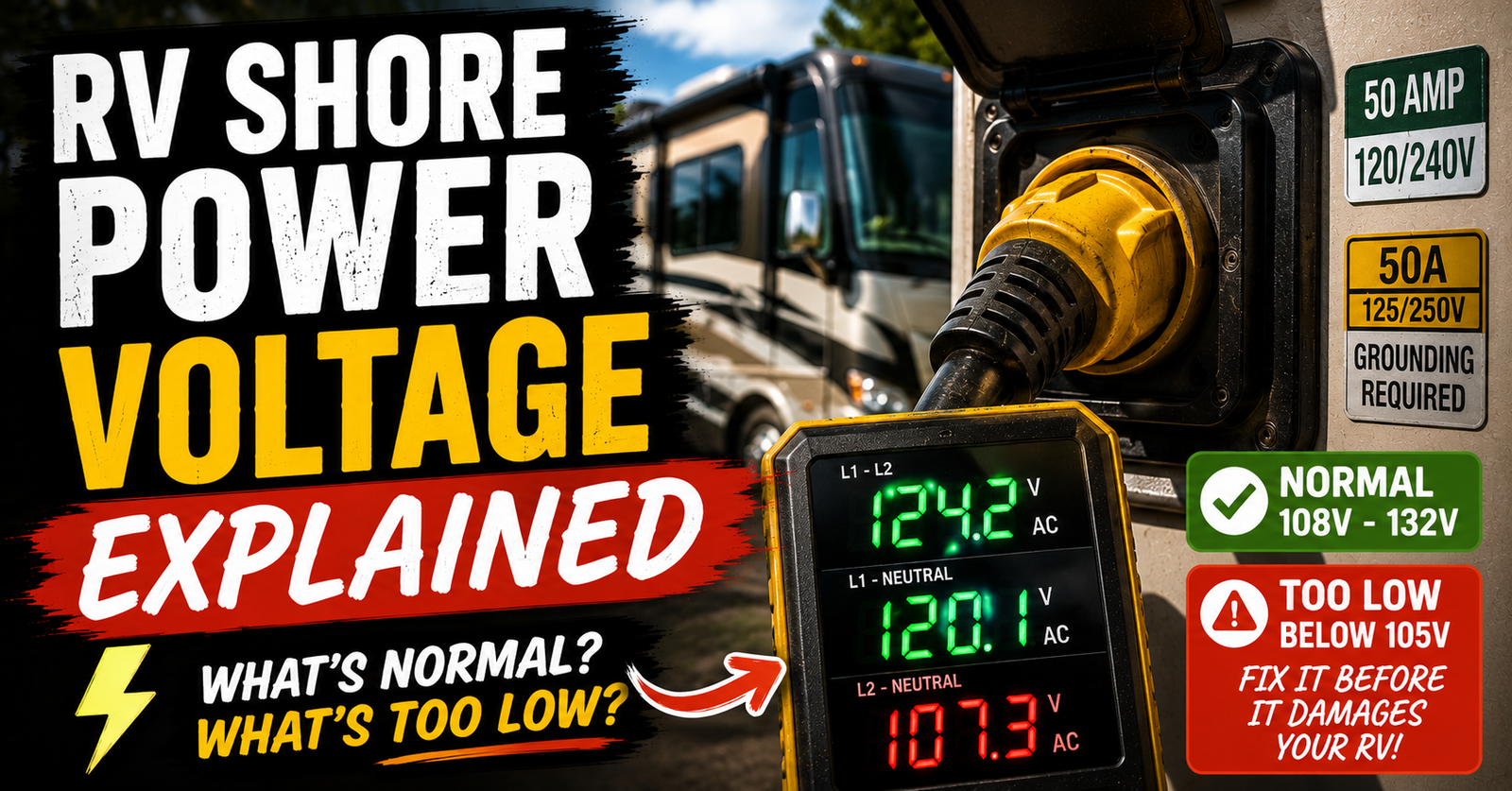
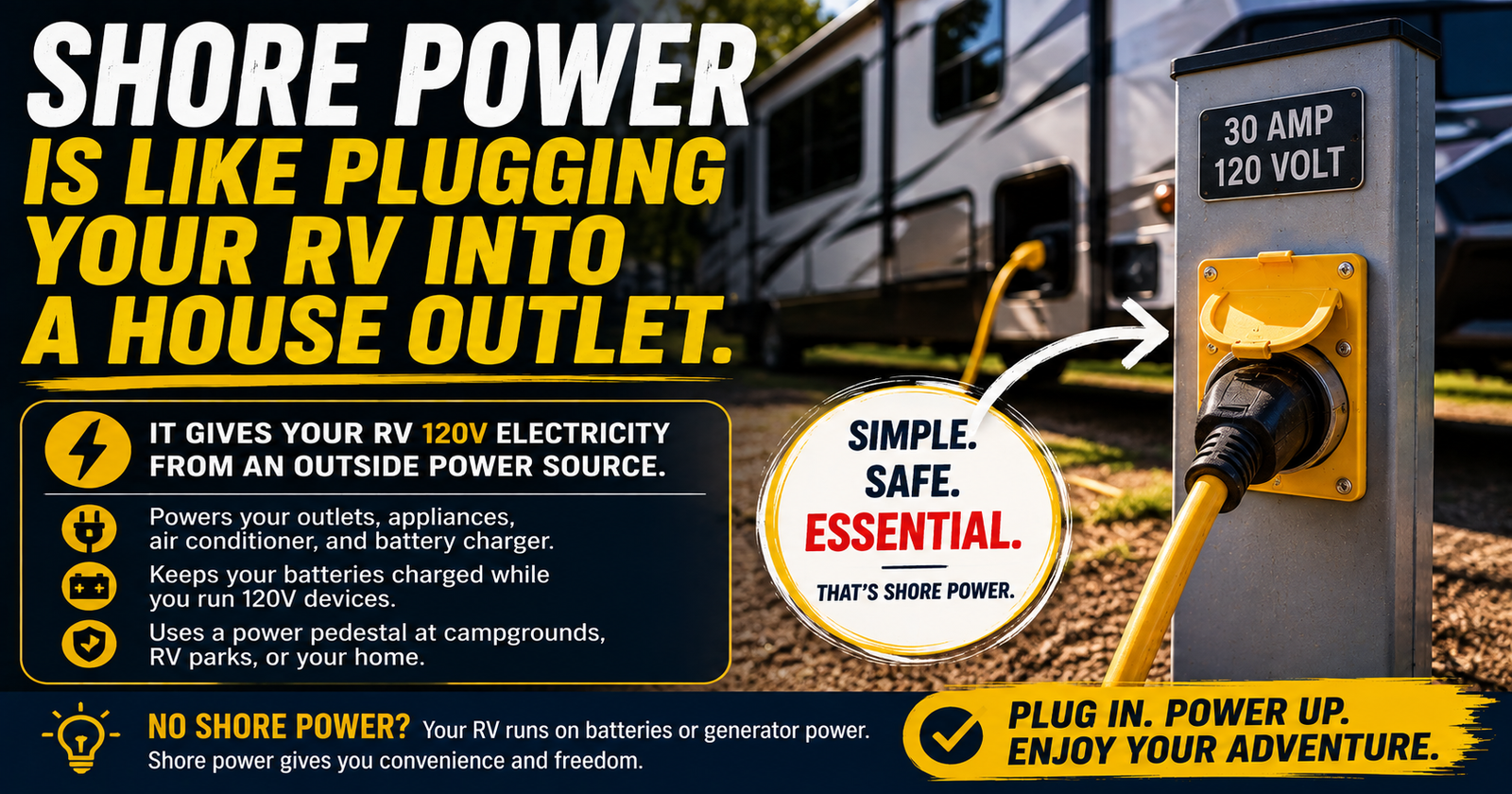
Once the camper is positioned correctly, then I deal with shore power.
I don’t blindly plug into the pedestal and hope for the best anymore.
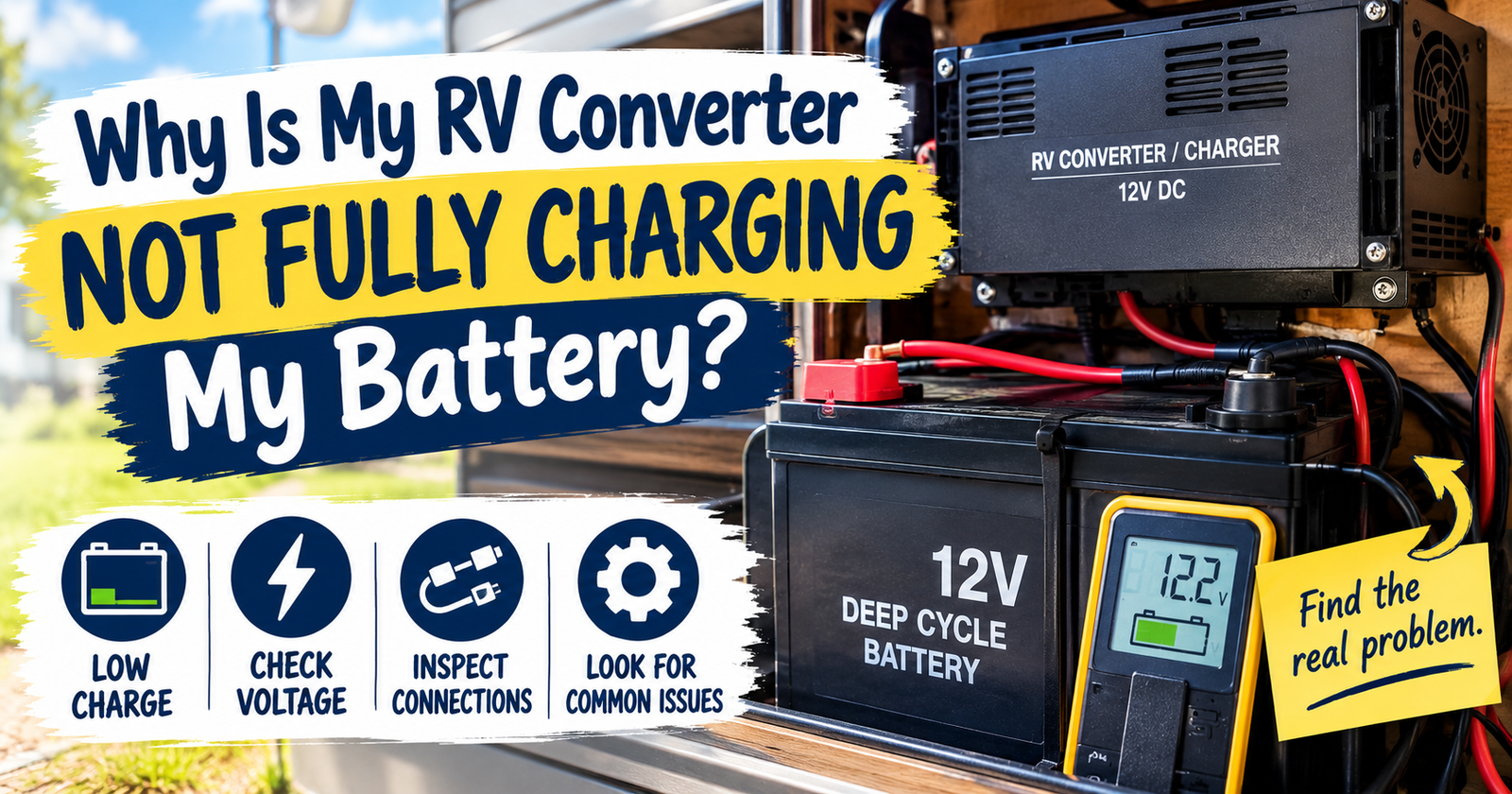
I want to know the connection looks healthy, and I want proper electrical protection in place.
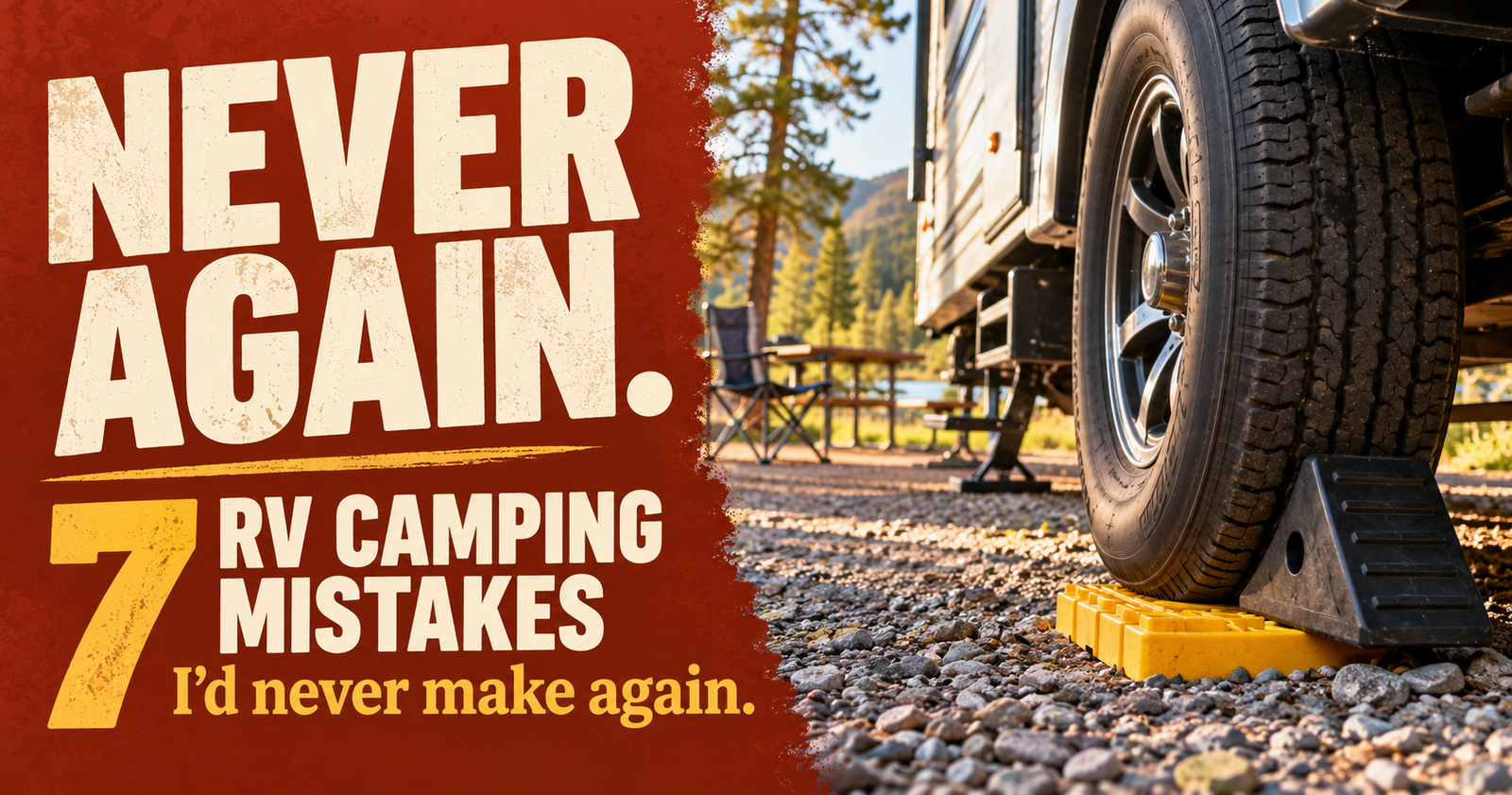
That’s one lesson from our RV camping mistakes I wouldn’t make again that deserves repeating.
If the pedestal receptacle looks burned or damaged, I’m not using my camper as the testing equipment.
And if an EMS tells me something is wrong, I’m finding out what it’s seeing before bypassing anything.
Water Gets the Same Treatment Now
Water used to be:
Attach hose.
Turn on.
Done.
Not anymore.
After learning the importance of pressure the hard way, I use the regulator and pay attention when I first pressurize the plumbing.
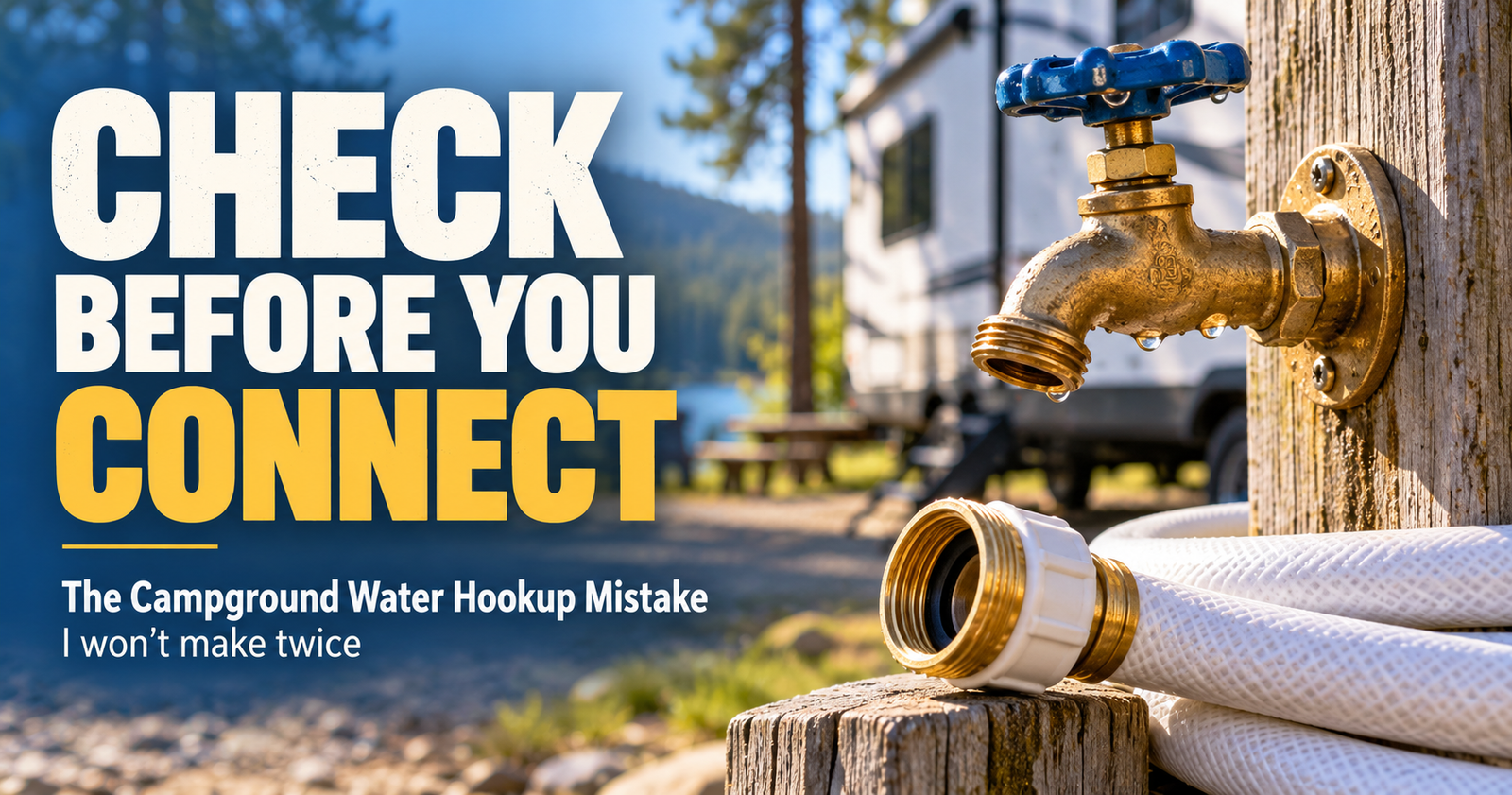
Our campground water hookup mistake changed how I think about that entire side of setup.
I don’t need to stare at the plumbing for an hour.
I just don’t turn the spigot on and immediately disappear either.
I Like Doing Things in the Same Order Every Time
This is probably what prevents more mistakes than anything.
I’m not trying to reinvent campsite setup every weekend.
I want boring.
Same general sequence.
Same checks.
Same walk around.
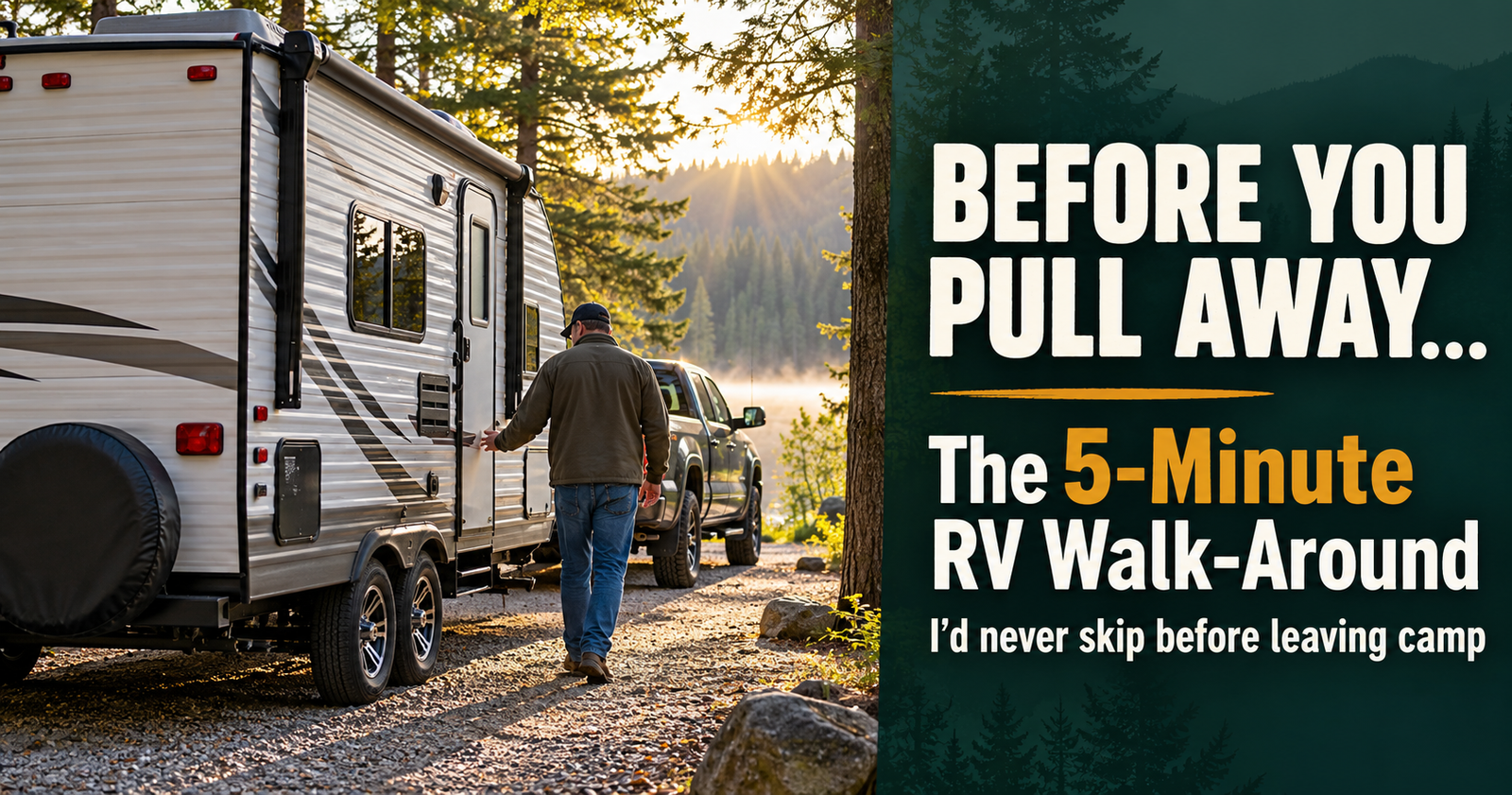
That’s exactly why I also use the five-minute RV walk-around before leaving camp.
A routine takes some of the thinking out of it.
And that’s useful when you’re tired, it’s getting dark, somebody’s hungry, and the weather looks like it’s about to turn ugly.
Setting Up After Dark Makes This Even More Important
Everything gets harder when you can’t see.
Tree branches disappear.
Pedestals are harder to judge.
The edge of the campsite gets less obvious.
You’re tired from driving.
Everybody wants inside.
That’s exactly when I need to slow down instead of speeding up.
A flashlight and five extra minutes can save a ridiculous amount of aggravation.
The Camper Doesn’t Care That I’m in a Hurry
That’s the part I try to remember.
The slide doesn’t care that we’re late.
The stabilizer doesn’t care that it’s raining.
The pedestal doesn’t care that everybody wants dinner.
The water system doesn’t care that I don’t feel like checking it.
Rushing doesn’t change how any of the equipment works.
It just makes me more likely to miss something.
Now My Goal Isn’t to Set Up Fast
I like getting settled quickly as much as anybody.
But I’d rather have a campsite setup take 25 minutes and only do it once than finish in 15 and spend the next 20 undoing everything.
So before the stabilizers come down and the chairs come out, I look around.
Can the slides open?
Can the awning clear everything?
Can we reach the hookups?
Are we level?
Are the wheels secure?
Is this actually where I want the camper sitting for the next few days?
Because moving it six inches is easy right now.
After everything is hooked up?
That’s when six inches feels like six miles.
Written by Caleb Warren
Caleb Warren writes about real-world RV ownership, campsite setup, camper systems, and the little mistakes that usually teach the biggest lessons for CamperAnswers.com. He focuses on practical routines that make camping easier without turning setup and teardown into an all-day project.